Kategori: TECHNOLOGY

  • What are Oscillators?

    Oscillators are essential components of electronic and communication systems, forming the foundation of many devices’ operating principles. Oscillators generate a regular and continuous signal that ensures the proper functioning of electronic circuits.

    An oscillator is an electronic circuit that produces a regular and repetitive waveform at a specific frequency. These waveforms can typically take the form of sine waves, square waves, triangular waves, or sawtooth waves. Oscillators provide a highly stable signal in terms of frequency and amplitude, making them essential in circuits that require precise frequency control.

    Working Principle of Oscillators

    The working principle of an oscillator is primarily based on the concepts of feedback loop and stability. These principles enable the oscillator to produce a continuous oscillating signal. Here are the detailed steps of the oscillator’s working process:

    Feedback Loop:


    • The operation of oscillators relies on continuously circulating an electrical signal within the circuit. This circulation process creates a feedback loop where the signal is amplified and reproduced.
    • Feedback is the process of feeding a portion of the output signal back into the input of the circuit. This action ensures that the signal generated by the oscillator is continuously repeated and maintains a stable frequency.
    • Feedback is generally applied as positive feedback (in-phase feedback), meaning the signal taken from the output is in phase with the input signal. Positive feedback increases the signal’s strength with each cycle, allowing the oscillation to continue.

    Frequency-Determining Components:

    • To determine the frequency of the signal produced by oscillators, components such as LC circuits (inductor and capacitor), RC circuits (resistor and capacitor), or quartz crystals are used.
    • These components are employed to precisely adjust the output frequency of the oscillator and control the circuit’s oscillation frequency.
    • For example, in an LC circuit, the inductor (L) and capacitor (C) combine to form a resonance circuit. This resonance circuit allows the oscillation to continue by storing maximum energy at a specific frequency.
    • The resonance frequency in this circuit can be expressed by the formula:
      f=12πLCf = \frac{1}{2\pi\sqrt{LC}}
    • In this formula, LL represents the inductance of the inductor, and CC is the capacitance of the capacitor. The frequency value is adjusted based on the properties of these components.

    Stability and Signal Quality:

    • The stability of oscillators refers to the consistency of the signal’s frequency over time, ensuring that it does not drift. Stability is crucial for applications that require precise timing and frequency control.
    • Quartz crystals are commonly used in oscillator circuits to provide high stability. These crystals offer a fixed oscillation due to their natural resonance frequency, minimizing frequency drift over long periods.
    • Stability also depends on factors like temperature, component tolerances, and environmental conditions. Therefore, thermal stabilizers or active stabilization techniques may be employed in applications that demand high precision.

    Noise Reduction:

    • In electronic circuits, noise and interference signals can disrupt the oscillation signals. Oscillator circuits use noise reduction techniques to enhance the clarity and purity of the signal.
    • Reducing noise improves the stability and accuracy of the signal, making electronic devices more reliable in their operation.

    Starting Conditions and Initiation of Oscillation:

    • To initiate the operation of oscillators, a small trigger signal is required at the beginning. This trigger signal can be random noise in the circuit or a temporary input signal.
    • The initial trigger signal starts the oscillation process, which is then amplified through feedback. This process quickly grows into a continuous and stable oscillating signal.

    Advantages of Oscillators

    • High Frequency Stability: Especially quartz crystal oscillators provide highly precise signals with stable frequency values.
    • Versatile Usage: They can be used in various fields, from radio frequencies to audio signals, timing circuits, and data communication devices.
    • Low Power Consumption: Most oscillator circuits operate efficiently with low energy consumption.
  • How Does Artificial Intelligence Train Itself?

    Artificial intelligence (AI) has become one of the most popular and rapidly advancing technologies of our time. However, understanding how AI works and how it trains itself can be a complex topic for many.

    What is AI Training?

    AI training is the process where an AI model learns from data and uses what it has learned to make predictions or decisions. This training process is carried out using machine learning techniques, allowing AI to recognize patterns in the data and derive conclusions based on those patterns.

    Stages of AI Training

    1. Data Collection:
      AI requires a large amount of data to learn effectively. This data provides the information that the AI needs during its training. Various types of data can be used, such as images, text, audio files, or numerical data. The higher the quality and variety of the data, the more successful the AI’s learning process will be.

    2. Data Preparation:
      The collected data is cleaned and organized so that the AI can analyze it. This process involves removing incorrect or incomplete information and transforming the data into a suitable format. Proper data preparation helps the AI produce more accurate results.

    3. Model Selection:
      A suitable model is chosen for training the AI. This model consists of algorithms that learn from data and generate outcomes. The choice of the model depends on the problem to be solved and the type of data. For example, neural networks are used for image recognition, while decision trees or logistic regression may be preferred for data classification.


    1. Model Training:
      The selected model is trained using the data set. During this process, the model learns from the data and identifies certain patterns and relationships. During training, the model aims to minimize the errors in its predictions by adjusting itself. This process is usually repeated many times, and with each iteration, the model’s accuracy improves.

    2. Validation and Testing:
      After the model is trained, it is subjected to validation and testing to evaluate its performance. At this stage, the model is tested with new data sets that it has not seen before to see how well it performs. These test results show how successful the model will be in real-world scenarios.

    3. Hyperparameter Tuning:
      Various hyperparameter adjustments are made to improve the model’s performance. Hyperparameters include settings like the learning rate, the number of layers in the network, and other configurations. Proper tuning of these parameters helps the AI produce better results.

    4. Feedback and Continuous Learning:
      Based on the model’s outcomes, feedback is received, and the model is retrained if necessary. The model is continually updated and improved with new data and information, allowing it to handle more complex tasks and make more accurate predictions over time.

    Types of AI Training

    AI training is generally divided into three main categories:

    • Supervised Learning: The model is trained using labeled data. Since correct answers are provided, the model learns to make predictions based on this data.

    • Unsupervised Learning: The model is trained with unlabeled data and attempts to find hidden patterns and structures within the data.
    • Reinforcement Learning: The model learns through a reward or punishment mechanism. It tries various actions to achieve a specific goal and identifies the best strategy that yields the most favorable outcomes.
  • How Do Washing Machines Work?

    Washing machines have become an indispensable part of our daily lives, providing an efficient way to clean our clothes and save time.

    The Basic Working Principle of Washing Machines


    Washing machines operate using a combination of water, detergent, and mechanical movement to clean dirty clothes. The basic process of how washing machines work includes the following steps:

    1. Water Intake:
      When the washing machine starts, the water inlet valves open to fill the drum with either hot or cold water. The water temperature is adjusted based on the washing program and the selected settings.

    2. Detergent Distribution:
      As the water fills the drum, detergent from the dispenser mixes into the water. This ensures that the detergent is evenly distributed, allowing it to clean the clothes more effectively.

    3. Washing and Agitation:
      The drum of the washing machine begins to rotate, tumbling the clothes around to ensure that water and detergent penetrate the fabric. This mechanical action helps loosen dirt and stains from the clothes. Different washing programs adjust the speed and duration of the drum’s rotation based on the type of fabric and level of dirt.

    4. Rinsing:
      After the washing cycle is complete, the washing machine drains the water and begins the rinsing process with clean water. The rinse cycle involves repeatedly washing the clothes with fresh water to remove any remaining detergent residues.

    5. Spinning:
      Once rinsing is done, the machine spins the drum at a high speed to remove excess water from the clothes. The spin cycle significantly reduces drying time and helps expel as much water as possible from the garments.

    6. Drain and Finish:
      After the spin cycle, the washing machine drains any remaining water and ends the washing cycle. The clothes are now clean and almost dry, ready to be taken out of the machine.

    Internal Components and Structure of Washing Machines


    To understand how washing machines work, it is important to know the main components that make up their internal structure. Here are the key components found in washing machines:

    • Drum: The rotating compartment where clothes are placed and washed.
    • Motor: An electric motor that powers the rotation of the drum. This motor can operate at different speeds to handle both washing and spinning tasks.
    • Pump: The pump is responsible for both water intake and drainage, ensuring that the dirty water is expelled and replaced with clean water.
    • Water Inlet Valve: Valves that control the flow of water into the machine. They regulate hot or cold water based on the selected washing program.
    • Control Panel: An electronic interface that allows users to select washing programs and adjust other settings.

    Types of Washing Machines

    There are various models of washing machines available on the market to suit different needs and budgets. The most common types of washing machines include:

    • Front-Loading Washing Machines: These are more energy-efficient and save water. They offer a more effective wash by allowing clothes to move more freely inside the drum.
    • Top-Loading Washing Machines: They have faster wash cycles and are generally more affordable. However, they may consume more water and energy compared to front-loading models.
  • The Greatest Inventions of the Last Century: Transistors

    Transistors are one of the most groundbreaking inventions that have laid the foundation of modern technology. These small components, which lie at the heart of computers, mobile phones, televisions, and countless electronic devices, form the basis of many technologies that have changed our lives.

    What is a Transistor?

    A transistor is a semiconductor device used in electronic circuits. Its primary function is to amplify or switch electrical signals. The invention of transistors marked a turning point in the development of electronics and digital technology and plays a crucial role in the operation of many devices.

    Transistors are typically made from semiconductor materials like silicon or germanium. They have three terminals: emitter, base, and collector. The flow of electric current between these terminals can be controlled by a small input signal, allowing a larger output signal to be produced.

    The History of Transistors

    The history of transistors dates back to 1947 when researchers John Bardeen, Walter Brattain, and William Shockley at Bell Labs invented the first working transistor, revolutionizing the world of electronics. This invention largely eliminated the need for vacuum tubes and paved the way for smaller, faster, and more energy-efficient devices.

    The invention of transistors made such a significant impact in the scientific world that the three scientists were awarded the Nobel Prize in Physics in 1956. This breakthrough allowed for rapid advancements in computers and communication technologies, opening the door to the digital revolution of the modern world.

    The Importance and Applications of Transistors

    Transistors have transformed the principles of electronic devices and serve as the building blocks of numerous technologies. Here are some key points that highlight their importance and applications:

    1. Computers: Transistors are the core components of computer processors. Microprocessors contain billions of transistors, which determine the processing speed and performance of computers.

    2. Telecommunications: Many telecommunication devices, such as mobile phones, radio receivers, televisions, and satellite communication systems, use transistors to process and transmit signals.

    3. Power Electronics: Transistors are used in devices like electric motors and power supplies to optimize energy management.

    4. Digital Electronics: In digital circuits, transistors are used to perform logical operations. Logic gates (AND, OR, NOT, etc.) and other digital circuit components operate through transistors.

    The Impact of Transistors on the Modern World

    The invention of transistors has significantly contributed to the rapid development of technological innovations and laid the foundation of the digital world. Thanks to transistors, computers, mobile phones, the internet, and many other technologies have become more advanced and accessible over time. The continuous increase in the number of transistors in microprocessors has made devices smaller, faster, and more powerful.

    The impact of transistors on the modern world extends beyond electronic devices; it has also led to significant advancements in science, engineering, medicine, and communication. Many of the technologies we use today have been made possible thanks to the invention of transistors.

  • What is Bandwidth in Electronics and Communication?

    In today’s rapidly evolving communication technologies, we frequently encounter concepts like data transfer speeds and network performance. One of the most crucial concepts among these is “bandwidth,” a fundamental component of electronic and communication systems. 

    What is Bandwidth?

    Bandwidth refers to the amount of data that can be transmitted over a communication channel in a specific period. Simply put, it is the rate at which data is transferred through a channel and is usually measured in Hertz (Hz) or bits per second (bps). A higher bandwidth means more data can be transmitted, resulting in faster communication.

    Bandwidth can also be defined as the difference between the highest and lowest frequencies of a signal on the frequency spectrum. For example, if a signal has a frequency range between 1000 Hz and 2000 Hz, its bandwidth is 1000 Hz.

    The Importance of Bandwidth in Electronics and Communication

    Bandwidth directly impacts the efficiency and speed of data transmission in electronic and communication systems. The performance of transmission systems heavily depends on the bandwidth used. Greater bandwidth means higher data rates and more information transfer, which is crucial for internet connections, wireless communication systems, and digital broadcasts.

    For example, the higher the bandwidth of an internet connection, the faster the data download and upload speeds will be. The same is true for mobile phones, Wi-Fi networks, and other wireless communication systems.

    Types of Bandwidth

    In electronics and communication, bandwidth can be categorized into different types depending on the application and technology:

    1. Analog Bandwidth: This type of bandwidth is used for analog signals. It is defined as the difference between the highest and lowest frequencies of a signal on the frequency spectrum.

    2. Digital Bandwidth: Digital bandwidth is used for digital signals and determines the data rate. It is often expressed in bits per second (bps) and indicates the number of bits transmitted per second.

    3. Broadband and Narrowband: Based on transmission speed, bandwidth can be classified as broadband and narrowband. Broadband provides high-speed data transmission, while narrowband allows for lower-speed data transfer.

    Factors Affecting Bandwidth

    Several factors can influence bandwidth, directly affecting the performance of the communication channel:

    • Signal Quality: The higher the quality of the signal, the faster and more accurate the data transmission.
    • Channel Capacity: The physical capacity of the channel determines the maximum amount of data that can be transmitted.
    • Noise Level: A high noise level can degrade signal quality, negatively impacting bandwidth.
    • Frequency Range: A broader frequency range allows for greater data-carrying capacity.

  • What is Raspberry Pi and How Does it Work?

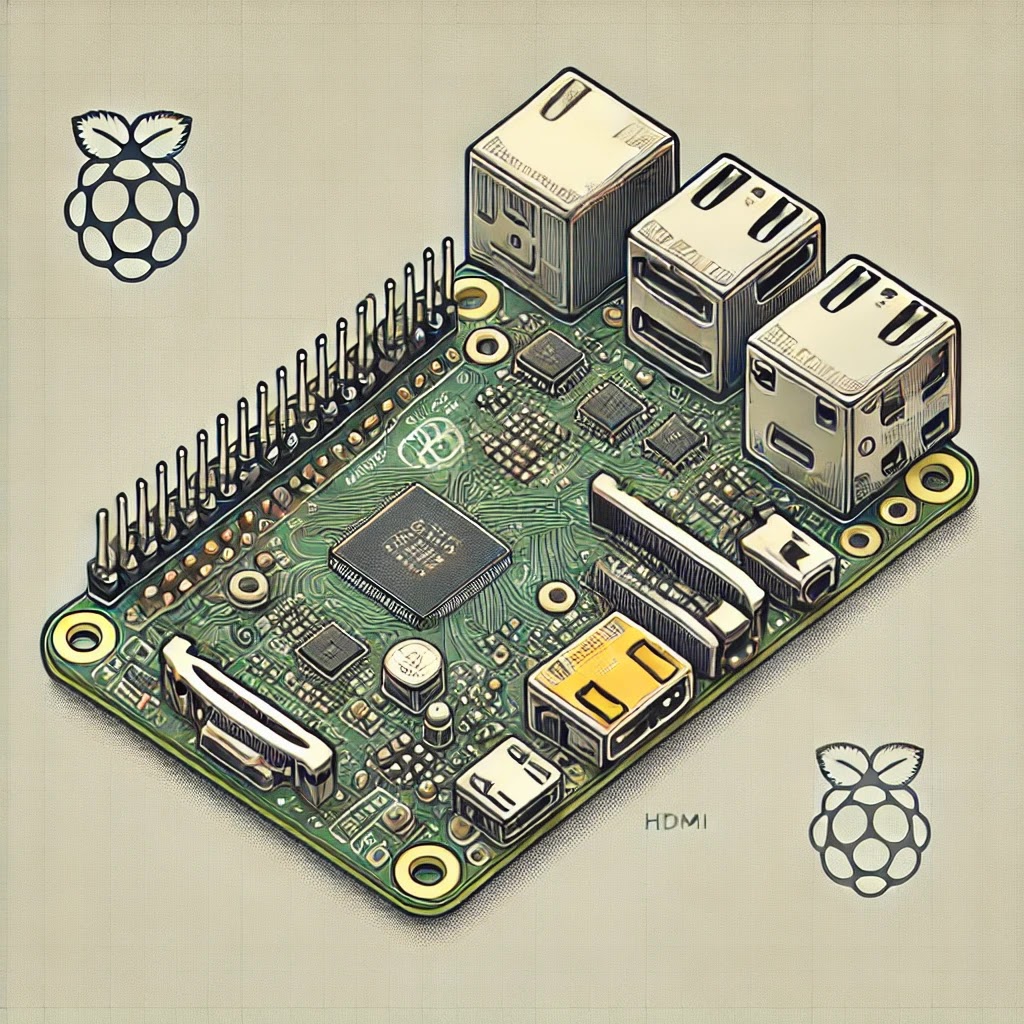
    Raspberry Pi, often mentioned in the tech world, is a mini-computer model that attracts the interest of many due to its low cost and wide range of applications. This device stands out especially in education, electronic projects, and hobbyist uses, providing numerous opportunities for both professionals and enthusiasts. 

    Raspberry Pi is a small, low-cost mini-computer that is about the size of a credit card. It was first developed by the Raspberry Pi Foundation in 2012 with the aim of supporting computer science education. However, over time, it has started to be used in many different areas such as hobby projects, industrial automation, and IoT (Internet of Things) applications.


    This mini-computer offers different options according to users’ needs, with various models and hardware features. Some of the most popular models of Raspberry Pi include the Raspberry Pi 3, Raspberry Pi 4, and Raspberry Pi Zero. Each model differs in terms of processing power, memory capacity, and connectivity options.

    How Does Raspberry Pi Work?


    The working principle of Raspberry Pi is quite similar to that of a traditional desktop computer. It contains a processor, RAM, a graphics processing unit (GPU), and various connection ports. The basic steps for its operation are as follows:

    Installing the Operating System  For the Raspberry Pi to function, it requires an operating system. The most commonly used operating system is Raspberry Pi OS (formerly known as Raspbian), a Linux-based system developed by the Raspberry Pi Foundation. This operating system is written to an SD card or microSD card and then loaded onto the Raspberry Pi.

    Initial Setup and Configuration Once the operating system is installed, the Raspberry Pi automatically starts running the system when powered on. Users can access the device through a graphical interface or command line and install various software.

    Connectivity and Expandability Raspberry Pi offers various connection options such as USB ports, HDMI output, Ethernet connection, and GPIO (General Purpose Input/Output) pins. This allows it to work seamlessly with peripherals like keyboards, mice, monitors, cameras, sensors, and other hardware.

    Programming and Project Development Raspberry Pi supports software development in many programming languages, primarily Python. It is widely used in electronic and robotics projects, IoT applications, and tasks like media servers.


    Applications of Raspberry Pi

    Due to its flexible structure and low cost, Raspberry Pi can be used in a wide variety of projects. Here are some popular use cases:

    Education It enables students to practice coding and computer science.

    Home Automation It can be used in smart home systems and security projects.

    Media Center Ideal for setting up media centers to play movies and music.

    IoT and Robotics Can work in integration with sensors and robotic systems in Internet of Things projects.

    Web Servers Can be used for small-scale web servers or database systems.

  • How Do Microwave Ovens Work ?


    What is a Microwave Oven ?

    A microwave oven is an electrical kitchen appliance used to quickly cook or heat food. It works by converting electrical energy into electromagnetic waves known as microwaves. These waves move the water molecules inside the food, generating heat. 

    Production and Distribution of Microwaves 

    Inside the microwave oven, a component called a magnetron generates the microwaves. The magnetron is a type of vacuum tube that converts electrical energy into high-frequency microwaves. The produced microwaves are spread throughout the interior of the oven through a metal enclosure. This enclosure directs the microwaves towards the food inside and prevents them from escaping. 

    Effect of Microwaves on Food 

    Microwaves cause the water molecules in food to vibrate. This vibration creates friction, which results in the release of heat energy. This heat then cooks or warms the food. The ability of microwaves to affect rapidly moving molecules allows the oven to heat or cook food quickly. 

    Turntable and Microwave Distribution

    Microwave ovens generally have a turntable inside. This turntable helps ensure that the food is heated evenly by the microwaves. The rotating motion assists in distributing the microwaves more uniformly over the food. Some microwave ovens also feature a rotating antenna or a parabolic reflector to help ensure more even distribution of microwaves to the food. 

    Safety of Microwave Ovens 

    Microwave ovens are generally safe when used properly. However, it is important to remember that microwaves are invisible electromagnetic waves. Therefore, the microwave oven door should always be properly closed. If the door is open, there is a risk of microwaves escaping. Additionally, regularly cleaning the exterior surfaces of the microwave oven can improve its efficiency and safety. 


    Microwave ovens are an indispensable part of modern kitchens and use advanced technology to heat food quickly and effectively. Microwaves produced by magnetrons cause the water molecules in food to vibrate, generating heat. This process makes microwave ovens both practical and efficient. When used properly, microwave ovens can greatly simplify tasks in the kitchen. 


  • How do refrigerators work ?

    Refrigerators have become an indispensable part of modern life. These devices, used in homes and workplaces to keep food fresh and prevent spoilage, play a significant role in our daily lives. However, the journey of refrigerators to their current state is the result of a long evolution.


    A Brief History of Refrigerators

    The history of refrigeration is rooted in the need to cool and preserve food. Thousands of years ago, ancient civilizations like the Egyptians and Romans used ice and snow to cool their food. In the 18th century, commercial icehouses began to appear in America, where ice harvested during winter was stored for use in the summer. 


    The first mechanical refrigerator was invented in 1834 by Jacob Perkins. Perkins developed a cooling system that used ether gas in a closed circuit to transfer heat from one place to another. In 1876, Carl von Linde designed a refrigerator that compressed ammonia to vaporize it, providing more efficient cooling. In the early 20th century, electric refrigerators began to be used in homes, and by the 1920s, these devices became more compact and user-friendly. Over time, refrigerators evolved into the various sizes and designs we see today.

    Working Principle of Refrigerators

    Modern refrigerators operate through a series of processes that expel heat from the internal environment. These processes are carried out using the refrigerator’s essential components, which provide cooling inside the unit:


    1. Refrigerant and Circulation Cycle: One of the most critical components that enable refrigerators to work is the refrigerant. This fluid circulates between the evaporator, compressor, condenser, and expansion valve inside the refrigerator, forming a continuous cycle. 


    2. Evaporator: The evaporator absorbs heat from inside the refrigerator, causing the refrigerant to evaporate. This process lowers the temperature inside the refrigerator, keeping food cool. As the refrigerant evaporates in the evaporator, the interior of the refrigerator cools as it absorbs heat.


    3. Compressor: The refrigerant evaporated in the evaporator is sucked by the compressor and compressed under high pressure. The temperature of the compressed gas increases, and this gas is sent to the condenser.


    4. Condenser: The condenser, located at the back of the refrigerator, is a component that cools the hot gas, turning it back into a liquid. As the hot gas circulates through the condenser coils, it releases heat to the surrounding air, and the refrigerant becomes liquid again.


    5. Expansion Valve: The condenser, located at the back of the refrigerator, is a component that cools the hot gas, turning it back into a liquid. As the hot gas circulates through the condenser coils, it releases heat to the surrounding air, and the refrigerant becomes liquid again.


    Refrigerators are indispensable appliances in our daily lives for keeping food fresh. Throughout history, the need to cool and preserve food has led to the development of refrigerators, resulting in their modern form today. Today’s refrigerators, with their advanced technologies and energy efficiencies, stand as practical and environmentally friendly appliances in our homes.  
  • How Do Combi Boilers Work ?

    Combi boilers have become one of the most important components of modern home heating systems. These devices, which meet both heating and hot water needs, provide a comfortable and efficient living space in homes. 

    A combi boiler is a compact device that provides both a central heating system (radiators) and instant hot water. It is usually installed in the kitchen, bathroom, or another suitable area of the house. Combi boilers can operate on natural gas, electricity, or LPG (liquefied petroleum gas) and use these energy sources to heat water and distribute it to the heating system. 


    Working Principle of a Combi Boiler 

    The working principle of combi boilers is designed to perform two main functions: heating the house and providing hot water from the taps. These functions are achieved through the harmonious operation of various components inside the combi boiler. 

    Providing Hot Water 

    The combi boiler ensures that water is heated immediately when a tap or shower is turned on. This process occurs in several steps. 

                        Hot Water Detection: When a tap is turned on, the flow sensor inside the boiler detects the movement of water and understands that the water needs to be heated. 

                        Ignition of the Burner: The signal from the flow sensor ignites the burner of the combi boiler. The burner produces heat by burning natural gas or another fuel. 

                        Heating the Heat Exchanger: The heat generated from the burner is transferred to a component called a heat exchanger. The heat exchanger is a network of pipes through which cold water flows. Hot gases passing around these pipes quickly heat the water. 

                       Distribution of Hot Water: The heated water is pumped towards the tap or shower. This process allows the water to be used immediately after it is heated, which is why combi boilers are also known as “instant water heaters.” 

    Home Heating Function 

    Combi boilers provide heating by sending hot water to radiators in different rooms of the house. This process occurs automatically based on the heating demand of the home. 

                        Thermostat and Heat Sensors: The thermostat in the house constantly monitors the temperature of the rooms. When it drops below the set temperature level, the thermostat sends a signal to the boiler, and the heating process begins.

                        Circulation Pump: After the combi boiler heats the water, the circulation pump kicks in and sends the heated water to the radiators. The radiators receive this hot water and distribute the heat into the room.

                        Heat Exchange and Return: As the water heats the room through the radiators, it cools down and returns to the boiler to be reheated. This cycle continues until the desired temperature in the home is reached.

    Modulation and Energy Efficiency 

    Modern combi boilers are equipped with a technology called modulation. Modulation increases energy efficiency by adjusting the operating speed and power of the boiler according to the current heating needs of the house. For example, as the room temperature approaches the desired level, the boiler starts to operate at a lower power, thereby reducing fuel consumption.

    Types of Combi Boilers 

    Combi boilers can be categorized into different types based on their operation and energy sources. 

                        Condensing Combi Boilers: These boilers provide higher efficiency by recovering the heat from exhaust gases to heat water. Condensing combi boilers stand out with their energy-saving and environmentally friendly features.

                        Conventional Combi Boilers: Conventional boilers, which are an older technology, provide heating by directly heating the water. These types of boilers are generally less efficient compared to condensing combi boilers. [21]

                        Electric Combi Boilers: These boilers, which operate on electricity instead of natural gas or LPG, are generally preferred in areas where natural gas is not available. 

    Points to Consider When Using Combi Boilers

    Combi boilers require regular maintenance and careful use to operate efficiently and safely. 

                        Annual Maintenance: Combi boilers should be serviced regularly every year. This maintenance includes cleaning the burners, checking the circulation pump, and evaluating overall system performance. 

                        Ventilation: It is important that the area where the combi boiler is installed is well-ventilated. Insufficient ventilation can pose serious risks, such as carbon monoxide poisoning. 

                        Pressure Control: The water pressure in the boiler should generally be between 1-2 bar. Low or high pressure can cause the boiler to operate inefficiently and even malfunction. 

  • What is Sensor Fusion and Programming in Brief ?

    Today’s technology increasingly relies on systems capable of sensing the world around us and making sense of that information, thanks to the combined operation of various sensors. This is where “sensor fusion and programming” technologies come into play, bringing about a revolution in many fields such as robotics, autonomous vehicles, smart home systems, and healthcare devices. 

    Sensor fusion is the process of combining data from multiple sensors to produce more reliable and accurate information. This approach is especially important in situations where data from a single sensor may be insufficient or faulty. Sensor fusion technology integrates data from different sources and analyzes it to form a single decision-making mechanism. 

    For example, in an autonomous vehicle, radar, LIDAR, cameras, and ultrasonic sensors work together. Each sensor collects different information about the environment: radar measures distance, LIDAR creates a 3D map of the surroundings, and cameras provide visual data. Sensor fusion technology combines the data from these different sensors, allowing the vehicle to fully understand its environment. 

    Advantages of Sensor Fusion


    1-Increased Accuracy 

    Combining data from different sensors enhances overall system accuracy. Errors that a single sensor might make are balanced by data from other sensors.  

    2-Reliability

    Using multiple sensors allows the system to continue operating even if one sensor fails or temporarily provides incorrect data. This is especially important in applications where safety is critical (e.g., autonomous vehicles). 

    3-Comprehensive Information 

    Each sensor provides different types of information. Sensor fusion combines this data to offer a more comprehensive and accurate understanding. 

    4-Reduced Noise 

    Sensor fusion filters out noise and errors from sensor data, providing cleaner and more reliable information. 

    Types of Sensor Fusion 

    Sensor fusion can be performed at different levels and methods. Here are the most common types of sensor fusion: 

    1-Raw Data Fusion 

    This method involves the direct combination of raw data obtained from sensors. Although this approach requires more complex processing, it offers high accuracy. 


    2-Feature-Level Fusion 

    Data from sensors is first analyzed for specific features, and then these features are combined. This method requires less processing power and is optimized for specific applications. 

    3-Decision-Level Fusion 

    Each sensor makes its own decisions, which are then combined. This method is particularly used to enhance system reliability. 

    Programming of Sensor Fusion 

    Effective implementation of sensor fusion requires proper programming techniques. This process involves developing algorithms that determine how sensors will communicate with each other and how the data will be combined. 

    1-Algorithm Selection: The most commonly used algorithms in sensor fusion include the Kalman filter, Bayes filter, and particle filter. These algorithms dynamically analyze and combine sensor data. 
              
               1.1: Kalman Filter: It allows continuous updating and prediction of data in time-varying systems. It is used in applications such as tracking moving objects.

              
               1.2: Bayes Filter: Using a probability-based approach, it assesses the accuracy of the data from sensors and determines the most likely result. 

              
               1.3: Particle Filter: Used in complex and non-linear systems. It provides more flexible data fusion by computing across multiple probabilities. 


    2-Data Synchronization: The timing of data from different sensors is important. Proper synchronization of data enhances the accuracy of the fusion process. The sensors should collect data within the same time frame, or data can be synchronized using timestamps. 


    3-Calibration: Sensors need to be calibrated correctly to function properly. Each sensor has its own sensitivity and margin of error. Therefore, calibration is necessary to correctly combine sensor data. 


    4-Real-Time Processing: Sensor fusion is often used in real-time applications. Therefore, the data must be processed quickly, and results must be obtained immediately. For this purpose, high-performance processors and parallel processing techniques can be utilized. [29]


    4-Simulation and Testing: Simulations should be conducted to ensure that sensor fusion algorithms and software work correctly. This process helps evaluate how the algorithms perform under various scenarios. Additionally, real-world pre-implementation tests are also important. [30]

    Application Areas 

    1-Autonomous Vehicles 

    In autonomous driving systems, sensor fusion is required for vehicles to fully perceive their surroundings and make accurate decisions. 


    2-Robotics 

    Robots use sensor fusion to perceive their environment and interact with objects. 

    3-Defense and Security 

    In military and security applications, multiple sensors are used together to detect enemy threats and track targets. 

    4-Healthcare 

    Wearable devices use multiple biometric sensors to monitor patients’ health conditions. 


    Sensor fusion and programming have become an integral part of modern technology. The integration of data provided by different sensors results in more accurate, reliable, and comprehensive information. In the future, sensor fusion is expected to evolve further, especially with integration with artificial intelligence and machine learning.