Yazar: talha_admin

  • What is Bandwidth in Electronics and Communication?

    In today’s rapidly evolving communication technologies, we frequently encounter concepts like data transfer speeds and network performance. One of the most crucial concepts among these is “bandwidth,” a fundamental component of electronic and communication systems. 

    What is Bandwidth?

    Bandwidth refers to the amount of data that can be transmitted over a communication channel in a specific period. Simply put, it is the rate at which data is transferred through a channel and is usually measured in Hertz (Hz) or bits per second (bps). A higher bandwidth means more data can be transmitted, resulting in faster communication.

    Bandwidth can also be defined as the difference between the highest and lowest frequencies of a signal on the frequency spectrum. For example, if a signal has a frequency range between 1000 Hz and 2000 Hz, its bandwidth is 1000 Hz.

    The Importance of Bandwidth in Electronics and Communication

    Bandwidth directly impacts the efficiency and speed of data transmission in electronic and communication systems. The performance of transmission systems heavily depends on the bandwidth used. Greater bandwidth means higher data rates and more information transfer, which is crucial for internet connections, wireless communication systems, and digital broadcasts.

    For example, the higher the bandwidth of an internet connection, the faster the data download and upload speeds will be. The same is true for mobile phones, Wi-Fi networks, and other wireless communication systems.

    Types of Bandwidth

    In electronics and communication, bandwidth can be categorized into different types depending on the application and technology:

    1. Analog Bandwidth: This type of bandwidth is used for analog signals. It is defined as the difference between the highest and lowest frequencies of a signal on the frequency spectrum.

    2. Digital Bandwidth: Digital bandwidth is used for digital signals and determines the data rate. It is often expressed in bits per second (bps) and indicates the number of bits transmitted per second.

    3. Broadband and Narrowband: Based on transmission speed, bandwidth can be classified as broadband and narrowband. Broadband provides high-speed data transmission, while narrowband allows for lower-speed data transfer.

    Factors Affecting Bandwidth

    Several factors can influence bandwidth, directly affecting the performance of the communication channel:

    • Signal Quality: The higher the quality of the signal, the faster and more accurate the data transmission.
    • Channel Capacity: The physical capacity of the channel determines the maximum amount of data that can be transmitted.
    • Noise Level: A high noise level can degrade signal quality, negatively impacting bandwidth.
    • Frequency Range: A broader frequency range allows for greater data-carrying capacity.

  • What is Frequency?

    Frequency is a concept we often encounter in our daily lives, but its exact meaning may not be clear to most people. This term is of great importance in physics, electronics, and communication, and it is actually based on a very simple principle. 

    Definition of Frequency

    Frequency refers to the number of times an event repeats within a specified period of time. It is commonly expressed as the number of cycles per second, and its unit is called Hertz (Hz). 1 Hz means that an event occurs once per second.

    Frequency is a relevant concept for many phenomena, such as wave motion, sound, light, and electromagnetic radiation. For example, there are different types of frequencies like the frequency of radio waves, the frequency of sound waves, and the frequency of electrical oscillations.

    How is Frequency Calculated?

    Frequency is calculated using the following formula:

    f=n/t

    Where:

    f: Frequency (in Hertz)

    n: Number of cycles or repetitions

    t: Time (in seconds)

    Using this formula, we can determine how fast an event or wave repeats itself. For instance, a wave that vibrates 50 times per second has a frequency of 50 Hz.

    Types of Frequency

    Frequency can be categorized into different types based on the type of waves. Here are some common types of frequency:

    Sound Frequency: The frequency of sound waves that humans can hear ranges from 20 Hz to 20 kHz. Frequencies outside this range cannot be detected by the human ear.

    Radio Frequency: Radio waves fall within the electromagnetic spectrum and are used in communication systems. Radio frequencies are usually expressed in kHz (kilohertz) and MHz (megahertz).

    Light Frequency: Light waves have very high frequencies and form the visible part of the electromagnetic spectrum. The frequency of light is typically measured in terahertz (THz).

    Electrical Frequency: The frequency of alternating current (AC) in electrical circuits is usually 50 Hz or 60 Hz. This is a crucial parameter that determines how electrical devices operate.


    Importance of Frequency in Daily Life

    The concept of frequency plays a significant role in many areas of technology. Devices like radio and television transmitters, Wi-Fi signals, microwave ovens, and mobile phones all operate based on frequency. Additionally, sound frequency is essential in music production and audio engineering.In electronics and communication engineering, frequency is fundamental for signal processing and communication systems. Correct frequency settings ensure that data transmission is continuous and reliable.

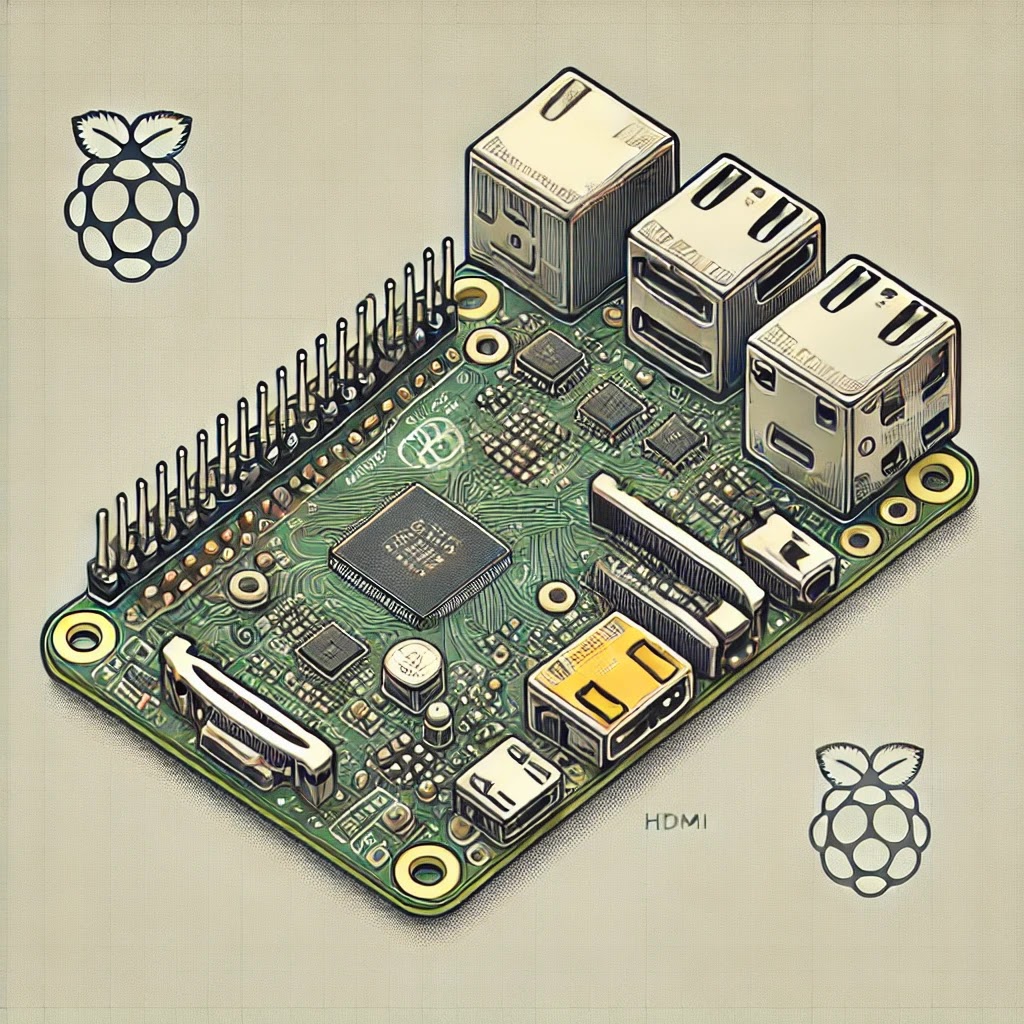
  • What is Raspberry Pi and How Does it Work?

    Raspberry Pi, often mentioned in the tech world, is a mini-computer model that attracts the interest of many due to its low cost and wide range of applications. This device stands out especially in education, electronic projects, and hobbyist uses, providing numerous opportunities for both professionals and enthusiasts. 

    Raspberry Pi is a small, low-cost mini-computer that is about the size of a credit card. It was first developed by the Raspberry Pi Foundation in 2012 with the aim of supporting computer science education. However, over time, it has started to be used in many different areas such as hobby projects, industrial automation, and IoT (Internet of Things) applications.


    This mini-computer offers different options according to users’ needs, with various models and hardware features. Some of the most popular models of Raspberry Pi include the Raspberry Pi 3, Raspberry Pi 4, and Raspberry Pi Zero. Each model differs in terms of processing power, memory capacity, and connectivity options.

    How Does Raspberry Pi Work?


    The working principle of Raspberry Pi is quite similar to that of a traditional desktop computer. It contains a processor, RAM, a graphics processing unit (GPU), and various connection ports. The basic steps for its operation are as follows:

    Installing the Operating System  For the Raspberry Pi to function, it requires an operating system. The most commonly used operating system is Raspberry Pi OS (formerly known as Raspbian), a Linux-based system developed by the Raspberry Pi Foundation. This operating system is written to an SD card or microSD card and then loaded onto the Raspberry Pi.

    Initial Setup and Configuration Once the operating system is installed, the Raspberry Pi automatically starts running the system when powered on. Users can access the device through a graphical interface or command line and install various software.

    Connectivity and Expandability Raspberry Pi offers various connection options such as USB ports, HDMI output, Ethernet connection, and GPIO (General Purpose Input/Output) pins. This allows it to work seamlessly with peripherals like keyboards, mice, monitors, cameras, sensors, and other hardware.

    Programming and Project Development Raspberry Pi supports software development in many programming languages, primarily Python. It is widely used in electronic and robotics projects, IoT applications, and tasks like media servers.


    Applications of Raspberry Pi

    Due to its flexible structure and low cost, Raspberry Pi can be used in a wide variety of projects. Here are some popular use cases:

    Education It enables students to practice coding and computer science.

    Home Automation It can be used in smart home systems and security projects.

    Media Center Ideal for setting up media centers to play movies and music.

    IoT and Robotics Can work in integration with sensors and robotic systems in Internet of Things projects.

    Web Servers Can be used for small-scale web servers or database systems.

  • How Do Microwave Ovens Work ?


    What is a Microwave Oven ?

    A microwave oven is an electrical kitchen appliance used to quickly cook or heat food. It works by converting electrical energy into electromagnetic waves known as microwaves. These waves move the water molecules inside the food, generating heat. 

    Production and Distribution of Microwaves 

    Inside the microwave oven, a component called a magnetron generates the microwaves. The magnetron is a type of vacuum tube that converts electrical energy into high-frequency microwaves. The produced microwaves are spread throughout the interior of the oven through a metal enclosure. This enclosure directs the microwaves towards the food inside and prevents them from escaping. 

    Effect of Microwaves on Food 

    Microwaves cause the water molecules in food to vibrate. This vibration creates friction, which results in the release of heat energy. This heat then cooks or warms the food. The ability of microwaves to affect rapidly moving molecules allows the oven to heat or cook food quickly. 

    Turntable and Microwave Distribution

    Microwave ovens generally have a turntable inside. This turntable helps ensure that the food is heated evenly by the microwaves. The rotating motion assists in distributing the microwaves more uniformly over the food. Some microwave ovens also feature a rotating antenna or a parabolic reflector to help ensure more even distribution of microwaves to the food. 

    Safety of Microwave Ovens 

    Microwave ovens are generally safe when used properly. However, it is important to remember that microwaves are invisible electromagnetic waves. Therefore, the microwave oven door should always be properly closed. If the door is open, there is a risk of microwaves escaping. Additionally, regularly cleaning the exterior surfaces of the microwave oven can improve its efficiency and safety. 


    Microwave ovens are an indispensable part of modern kitchens and use advanced technology to heat food quickly and effectively. Microwaves produced by magnetrons cause the water molecules in food to vibrate, generating heat. This process makes microwave ovens both practical and efficient. When used properly, microwave ovens can greatly simplify tasks in the kitchen. 


  • What is Trigonometry? And Where We Use It in Our Lives

    Trigonometry is a branch of mathematics that studies the relationships between the angles and sides of triangles. The word “trigonometry” is derived from the Greek words “trigonon” (meaning “triangle”) and “metron” (meaning “measure”). Initially developed by ancient Greek mathematicians, trigonometry now offers a wide range of applications in fields such as engineering, architecture, astronomy, and even medicine.

    Fundamentals of Trigonometry

    Trigonometry begins with the study of triangles, especially right-angled triangles. In a right triangle, the relationships between the opposite side, adjacent side, and hypotenuse (the longest side opposite the right angle) are defined using basic trigonometric functions such as sine (sin), cosine (cos), and tangent (tan).


    Sine (sin θ): The ratio of the opposite side to the hypotenuse.

                               sin θ = Opposite Side/Hypotenuse


    Cosine (cos θ): The ratio of the adjacent side to the hypotenuse.
                              
                               cos θ = Adjacent Side/Hypotenuse


    Tangent (tan θ): The ratio of the opposite side to the adjacent side.                          
                              
                               cos θ = Adjacent Side/Hypotenuse

    These basic functions form the foundation for solving trigonometric problems and are the basis for other functions developed for various applications. Additionally, functions like cosecant (cosec), secant (sec), and cotangent (cot) are the reciprocals of these basic functions:


    Kosekant (cosec θ): The ratio of the hypotenuse to the opposite side.                      
                              
                               cosec θ = 1/sin θ = Hypotenuse/Opposite Side


    Sekant (sec θ): The ratio of the hypotenuse to the adjacent side.                      
                              
                               sec θ = 1/cos θ = Hypotenuse/Adjacent Side


    Cotangent (cot θ): The ratio of the adjacent side to the opposite side.                      
                              
                               cot θ = 1/tan θ = Adjacent Side/Opposite Side

    Trigonometric Identities and Equations

    Trigonometry also includes many identities and equations that establish important connections between trigonometric functions and are used to solve various problems. Here are some important trigonometric identities:


    Pythagorean Identity:

                                                   sin²θ + cos²θ = 1

    Tangent and Cotangent Relationships:

                                                   tan θ = Opposite Side/Adjacent Side

    Double and Half-Angle Identities:

                                                   sin (2θ) = 2 sin θ . cos θ 

                                                   cos (2θ) = cos2θ – sin2θ 

    Applications of Trigonometry in Our Lives

    Trigonometry is not limited to solving mathematical problems; it also offers many practical applications in our daily lives


    Engineering and Architecture: Engineers and architects use trigonometry in the design and construction of structures. It is used to calculate the angles of buildings, determine the load-bearing capacities of bridges, and adjust the slope angles of roofs. In bridge construction, in particular, each cable and support angle must be calculated accurately.

    Astronomy: Trigonometry is used to calculate the positions and movements of celestial bodies. Astronomers use trigonometry to determine the distances of distant stars or planets. Especially with the “parallax method,” trigonometry is used to measure the distances of nearby stars.

    Maritime and Aviation: Trigonometry is indispensable for navigation. Ships and airplanes use trigonometry to calculate their routes and positions. Especially in geographical positioning systems (GPS), trigonometry is used for distance and direction calculations.

    Medicine and Biomechanics: Trigonometry is also used in biomechanics. It is used to study human body movements and angular changes between joints. For example, orthopedic surgeons perform trigonometric calculations to ensure proper implant placement.

    Computer Graphics and Animation: Computer games and animations rely on trigonometry to create realistic movements and images. Trigonometric functions are used to rotate, scale, and display objects in the correct perspective.

    Physics and Wave Theory: Trigonometry is widely used in the study and analysis of wave motion. Many types of waves, such as sound waves, light waves, and electromagnetic waves, are modeled using trigonometric functions.

    Cartography and Land Surveying: Cartographers and land surveyors use trigonometry for land measurements and map-making. Trigonometric calculations are made to determine the slope, height, and distances of the terrain.


    Trigonometry plays a crucial role in many areas of life. From engineering to medicine, from astronomy to computer graphics, it has a wide range of applications. Therefore, understanding and being able to use trigonometry is essential to understanding many aspects of the modern world. In the future, as technology advances further, we are likely to see more innovations and applications based on trigonometry.

  • How do refrigerators work ?

    Refrigerators have become an indispensable part of modern life. These devices, used in homes and workplaces to keep food fresh and prevent spoilage, play a significant role in our daily lives. However, the journey of refrigerators to their current state is the result of a long evolution.


    A Brief History of Refrigerators

    The history of refrigeration is rooted in the need to cool and preserve food. Thousands of years ago, ancient civilizations like the Egyptians and Romans used ice and snow to cool their food. In the 18th century, commercial icehouses began to appear in America, where ice harvested during winter was stored for use in the summer. 


    The first mechanical refrigerator was invented in 1834 by Jacob Perkins. Perkins developed a cooling system that used ether gas in a closed circuit to transfer heat from one place to another. In 1876, Carl von Linde designed a refrigerator that compressed ammonia to vaporize it, providing more efficient cooling. In the early 20th century, electric refrigerators began to be used in homes, and by the 1920s, these devices became more compact and user-friendly. Over time, refrigerators evolved into the various sizes and designs we see today.

    Working Principle of Refrigerators

    Modern refrigerators operate through a series of processes that expel heat from the internal environment. These processes are carried out using the refrigerator’s essential components, which provide cooling inside the unit:


    1. Refrigerant and Circulation Cycle: One of the most critical components that enable refrigerators to work is the refrigerant. This fluid circulates between the evaporator, compressor, condenser, and expansion valve inside the refrigerator, forming a continuous cycle. 


    2. Evaporator: The evaporator absorbs heat from inside the refrigerator, causing the refrigerant to evaporate. This process lowers the temperature inside the refrigerator, keeping food cool. As the refrigerant evaporates in the evaporator, the interior of the refrigerator cools as it absorbs heat.


    3. Compressor: The refrigerant evaporated in the evaporator is sucked by the compressor and compressed under high pressure. The temperature of the compressed gas increases, and this gas is sent to the condenser.


    4. Condenser: The condenser, located at the back of the refrigerator, is a component that cools the hot gas, turning it back into a liquid. As the hot gas circulates through the condenser coils, it releases heat to the surrounding air, and the refrigerant becomes liquid again.


    5. Expansion Valve: The condenser, located at the back of the refrigerator, is a component that cools the hot gas, turning it back into a liquid. As the hot gas circulates through the condenser coils, it releases heat to the surrounding air, and the refrigerant becomes liquid again.


    Refrigerators are indispensable appliances in our daily lives for keeping food fresh. Throughout history, the need to cool and preserve food has led to the development of refrigerators, resulting in their modern form today. Today’s refrigerators, with their advanced technologies and energy efficiencies, stand as practical and environmentally friendly appliances in our homes.  
  • How Do Combi Boilers Work ?

    Combi boilers have become one of the most important components of modern home heating systems. These devices, which meet both heating and hot water needs, provide a comfortable and efficient living space in homes. 

    A combi boiler is a compact device that provides both a central heating system (radiators) and instant hot water. It is usually installed in the kitchen, bathroom, or another suitable area of the house. Combi boilers can operate on natural gas, electricity, or LPG (liquefied petroleum gas) and use these energy sources to heat water and distribute it to the heating system. 


    Working Principle of a Combi Boiler 

    The working principle of combi boilers is designed to perform two main functions: heating the house and providing hot water from the taps. These functions are achieved through the harmonious operation of various components inside the combi boiler. 

    Providing Hot Water 

    The combi boiler ensures that water is heated immediately when a tap or shower is turned on. This process occurs in several steps. 

                        Hot Water Detection: When a tap is turned on, the flow sensor inside the boiler detects the movement of water and understands that the water needs to be heated. 

                        Ignition of the Burner: The signal from the flow sensor ignites the burner of the combi boiler. The burner produces heat by burning natural gas or another fuel. 

                        Heating the Heat Exchanger: The heat generated from the burner is transferred to a component called a heat exchanger. The heat exchanger is a network of pipes through which cold water flows. Hot gases passing around these pipes quickly heat the water. 

                       Distribution of Hot Water: The heated water is pumped towards the tap or shower. This process allows the water to be used immediately after it is heated, which is why combi boilers are also known as “instant water heaters.” 

    Home Heating Function 

    Combi boilers provide heating by sending hot water to radiators in different rooms of the house. This process occurs automatically based on the heating demand of the home. 

                        Thermostat and Heat Sensors: The thermostat in the house constantly monitors the temperature of the rooms. When it drops below the set temperature level, the thermostat sends a signal to the boiler, and the heating process begins.

                        Circulation Pump: After the combi boiler heats the water, the circulation pump kicks in and sends the heated water to the radiators. The radiators receive this hot water and distribute the heat into the room.

                        Heat Exchange and Return: As the water heats the room through the radiators, it cools down and returns to the boiler to be reheated. This cycle continues until the desired temperature in the home is reached.

    Modulation and Energy Efficiency 

    Modern combi boilers are equipped with a technology called modulation. Modulation increases energy efficiency by adjusting the operating speed and power of the boiler according to the current heating needs of the house. For example, as the room temperature approaches the desired level, the boiler starts to operate at a lower power, thereby reducing fuel consumption.

    Types of Combi Boilers 

    Combi boilers can be categorized into different types based on their operation and energy sources. 

                        Condensing Combi Boilers: These boilers provide higher efficiency by recovering the heat from exhaust gases to heat water. Condensing combi boilers stand out with their energy-saving and environmentally friendly features.

                        Conventional Combi Boilers: Conventional boilers, which are an older technology, provide heating by directly heating the water. These types of boilers are generally less efficient compared to condensing combi boilers. [21]

                        Electric Combi Boilers: These boilers, which operate on electricity instead of natural gas or LPG, are generally preferred in areas where natural gas is not available. 

    Points to Consider When Using Combi Boilers

    Combi boilers require regular maintenance and careful use to operate efficiently and safely. 

                        Annual Maintenance: Combi boilers should be serviced regularly every year. This maintenance includes cleaning the burners, checking the circulation pump, and evaluating overall system performance. 

                        Ventilation: It is important that the area where the combi boiler is installed is well-ventilated. Insufficient ventilation can pose serious risks, such as carbon monoxide poisoning. 

                        Pressure Control: The water pressure in the boiler should generally be between 1-2 bar. Low or high pressure can cause the boiler to operate inefficiently and even malfunction. 

  • What is Sensor Fusion and Programming in Brief ?

    Today’s technology increasingly relies on systems capable of sensing the world around us and making sense of that information, thanks to the combined operation of various sensors. This is where “sensor fusion and programming” technologies come into play, bringing about a revolution in many fields such as robotics, autonomous vehicles, smart home systems, and healthcare devices. 

    Sensor fusion is the process of combining data from multiple sensors to produce more reliable and accurate information. This approach is especially important in situations where data from a single sensor may be insufficient or faulty. Sensor fusion technology integrates data from different sources and analyzes it to form a single decision-making mechanism. 

    For example, in an autonomous vehicle, radar, LIDAR, cameras, and ultrasonic sensors work together. Each sensor collects different information about the environment: radar measures distance, LIDAR creates a 3D map of the surroundings, and cameras provide visual data. Sensor fusion technology combines the data from these different sensors, allowing the vehicle to fully understand its environment. 

    Advantages of Sensor Fusion


    1-Increased Accuracy 

    Combining data from different sensors enhances overall system accuracy. Errors that a single sensor might make are balanced by data from other sensors.  

    2-Reliability

    Using multiple sensors allows the system to continue operating even if one sensor fails or temporarily provides incorrect data. This is especially important in applications where safety is critical (e.g., autonomous vehicles). 

    3-Comprehensive Information 

    Each sensor provides different types of information. Sensor fusion combines this data to offer a more comprehensive and accurate understanding. 

    4-Reduced Noise 

    Sensor fusion filters out noise and errors from sensor data, providing cleaner and more reliable information. 

    Types of Sensor Fusion 

    Sensor fusion can be performed at different levels and methods. Here are the most common types of sensor fusion: 

    1-Raw Data Fusion 

    This method involves the direct combination of raw data obtained from sensors. Although this approach requires more complex processing, it offers high accuracy. 


    2-Feature-Level Fusion 

    Data from sensors is first analyzed for specific features, and then these features are combined. This method requires less processing power and is optimized for specific applications. 

    3-Decision-Level Fusion 

    Each sensor makes its own decisions, which are then combined. This method is particularly used to enhance system reliability. 

    Programming of Sensor Fusion 

    Effective implementation of sensor fusion requires proper programming techniques. This process involves developing algorithms that determine how sensors will communicate with each other and how the data will be combined. 

    1-Algorithm Selection: The most commonly used algorithms in sensor fusion include the Kalman filter, Bayes filter, and particle filter. These algorithms dynamically analyze and combine sensor data. 
              
               1.1: Kalman Filter: It allows continuous updating and prediction of data in time-varying systems. It is used in applications such as tracking moving objects.

              
               1.2: Bayes Filter: Using a probability-based approach, it assesses the accuracy of the data from sensors and determines the most likely result. 

              
               1.3: Particle Filter: Used in complex and non-linear systems. It provides more flexible data fusion by computing across multiple probabilities. 


    2-Data Synchronization: The timing of data from different sensors is important. Proper synchronization of data enhances the accuracy of the fusion process. The sensors should collect data within the same time frame, or data can be synchronized using timestamps. 


    3-Calibration: Sensors need to be calibrated correctly to function properly. Each sensor has its own sensitivity and margin of error. Therefore, calibration is necessary to correctly combine sensor data. 


    4-Real-Time Processing: Sensor fusion is often used in real-time applications. Therefore, the data must be processed quickly, and results must be obtained immediately. For this purpose, high-performance processors and parallel processing techniques can be utilized. [29]


    4-Simulation and Testing: Simulations should be conducted to ensure that sensor fusion algorithms and software work correctly. This process helps evaluate how the algorithms perform under various scenarios. Additionally, real-world pre-implementation tests are also important. [30]

    Application Areas 

    1-Autonomous Vehicles 

    In autonomous driving systems, sensor fusion is required for vehicles to fully perceive their surroundings and make accurate decisions. 


    2-Robotics 

    Robots use sensor fusion to perceive their environment and interact with objects. 

    3-Defense and Security 

    In military and security applications, multiple sensors are used together to detect enemy threats and track targets. 

    4-Healthcare 

    Wearable devices use multiple biometric sensors to monitor patients’ health conditions. 


    Sensor fusion and programming have become an integral part of modern technology. The integration of data provided by different sensors results in more accurate, reliable, and comprehensive information. In the future, sensor fusion is expected to evolve further, especially with integration with artificial intelligence and machine learning. 

  • One of the Most Important Inventions in the World: Pacemaker

    The pacemaker is considered one of the most important inventions in modern medicine, with the potential to save human lives. This small electronic device helps regulate the natural rhythm of the heart, significantly improving the quality of life for people with heart conditions. 


    A pacemaker is a device used to regulate the heart’s beats, usually implanted in the chest area. Sometimes, heartbeats can be irregular, manifesting as bradycardia (slow heart rate) or other rhythm disorders. In such cases, the pacemaker steps in to ensure the heart beats regularly. 

    Operating Principle of a Pacemaker 

    A pacemaker is a device that regulates heartbeats by supporting the heart’s electrical system. The normal rhythm of the heart is provided by a natural pacemaker called the sinoatrial node. This node sends electrical impulses to the heart muscles, causing the heart to contract regularly and pump blood. However, when there is a malfunction in this system, the pacemaker takes over. 

    The Heart’s Electrical System and Rhythm Disorders 

    The heart functions like a pump powered by electrical impulses. It has four chambers: two atria and two ventricles. The natural pacemaker, called the sinoatrial node (SA node), is located in the right atrium and generates electrical impulses that travel through the atria and ventricles to the entire heart. These impulses cause the heart to contract in a regular rhythm. 

    Rhythm disorders occur when these electrical impulses are transmitted abnormally. Bradycardia is when the heart beats too slowly, which can result in insufficient blood being pumped. In such cases, the pacemaker intervenes to regulate the heart’s pace and maintain its normal rhythm. 

    Components of a Pacemaker 

    1-Generator: The main unit of the pacemaker. It contains a battery that powers the device and a circuit that generates the electrical impulses needed to regulate the heart’s rhythm. This generator is usually placed under the skin in the upper chest area. It sends small electrical impulses at specific intervals according to the heart’s needs. 


    2-Leads (Electrodes): Thin wires that act as a bridge between the generator and the heart. One end is attached to the generator, and the other end is placed inside the heart. The leads transmit electrical impulses from the generator to the heart, causing it to contract. Single-chamber pacemakers have one lead, while dual-chamber pacemakers have two, and three-lead pacemakers have three leads. The leads are placed in different areas of the heart to ensure rhythm is regulated in each region. 

    3-Sensors: Some modern pacemakers are equipped with sensors to determine the heart’s needs. These sensors measure the patient’s physical activity, breathing rate, and other physiological parameters. Based on this data, the pacemaker can automatically adjust the frequency and intensity of the impulses. For example, if the patient needs an increased heart rate during exercise, the pacemaker can increase the impulses. 

    Operating Mechanism of a Pacemaker 

    The pacemaker’s working principle is based on monitoring the heart’s rhythm and intervening when necessary. The pacemaker continuously monitors the heart’s electrical activity. If the heart beats at a normal rate and rhythm, the device does not intervene. However, when the heartbeat slows down, pauses, or becomes irregular, the pacemaker activates. 


    1-Sending Impulses: The pacemaker sends low-energy electrical impulses generated in its generator to the heart via leads. These impulses mimic the heart’s natural electrical signals, causing the heart to contract. 


    2-Rhythm Regulation: The pacemaker sends impulses only when needed. If the heart can beat regularly on its own, the device remains in “standby” mode. This feature extends the device’s life as the battery is used only when necessary. 

    3-Adaptation: Advanced pacemakers can adapt to the patient’s daily activities. Thanks to sensors, the frequency and intensity of impulses can be automatically adjusted. For instance, while the pacemaker sends fewer impulses when the patient is at rest, it can increase the frequency during exercise. 

    Types of Pacemakers 

    Pacemakers come in different types depending on the patient’s needs. 

    1-Single-Chamber Pacemaker: These pacemakers have only one lead, which is placed either in the right atrium or right ventricle. This type of pacemaker is usually used in simple bradycardia cases. 

    2-Dual-Chamber Pacemaker: These pacemakers have two leads, one placed in the right atrium and the other in the right ventricle. This ensures coordination between the two chambers of the heart, resulting in a more natural heart rhythm. 

    3-Biventricular Pacemaker (CRT): This type of pacemaker, used in patients with heart failure, has three leads and synchronizes both ventricles of the heart to work together. [21]

    Programming the Pacemaker 

    Pacemakers can be programmed according to the patient’s specific needs. Doctors adjust the device based on the patient’s heart rhythm, age, physical condition, and lifestyle. The programming of the pacemaker can be changed and updated as per the patient’s condition, usually in a clinic setting using non-invasive methods. 

    Monitoring the Pacemaker 

    Patients with a pacemaker should regularly visit their doctor for check-ups. During these visits, the battery level of the pacemaker, the condition of the leads, and the overall performance of the device are evaluated. Additionally, the data stored in the device’s memory is examined to gather information on how regular the heart rhythm is and how often the pacemaker intervenes. When the battery life is low, the pacemaker is replaced. 

    Who Needs a Pacemaker? 

    Pacemakers are generally implanted in patients with heart rhythm issues. These include conditions such as bradycardia, atrial fibrillation, heart block, and certain types of heart failure. Additionally, patients who experience symptoms like fainting, shortness of breath, or chronic fatigue may also be candidates for a pacemaker. Implantation of a pacemaker is usually done through a minor surgical procedure. The generator is placed in the chest area under local anesthesia, and the leads are connected to the heart. Patients are typically discharged within a few days and can return to their normal activities after a short recovery period. 

    Living with a Pacemaker 

    After having a pacemaker implanted, patients experience a significant improvement in their quality of life. However, people with this device need to take certain precautions. For example, magnetic fields can affect the pacemaker’s function, so strong magnetic fields should be avoided. Additionally, it is important to maintain a safe distance from some electronic devices (such as mobile phones). Patients with pacemakers should visit their doctor regularly for check-ups. During these visits, the proper functioning of the pacemaker is checked, and adjustments are made if necessary. 

  • How Does Wi-Fi Work?

    Wi-Fi has become an indispensable part of our daily lives. By providing a wireless internet connection, it allows devices to connect to each other and to the internet. 

    Wi-Fi is an abbreviation for “Wireless Fidelity” and is a technology standard used for wireless local area networks (WLAN). Wi-Fi allows devices to exchange data wirelessly using radio waves. This technology enables computers, smartphones, tablets, printers, smart home devices, and many other devices to connect to the internet or to each other. 

    History 

    The foundations of Wi-Fi technology were laid in 1985 when the United States Federal Communications Commission (FCC) released the unlicensed frequency band. In 1997, the Institute of Electrical and Electronics Engineers (IEEE) developed the 802.11 standard, which is considered the birth of modern Wi-Fi technology. The first commercial Wi-Fi devices were launched in 1999 and have since rapidly become widespread. 


    How Does Wi-Fi Work? 

    Wi-Fi transmits data using radio frequencies. These frequencies are typically in the 2.4 GHz and 5 GHz bands. Wi-Fi networks enable devices to connect to the internet wirelessly by transmitting data packets via radio waves. Several key components play a role in this process. 

    Access Point 

    An access point is the center from which the Wi-Fi signal is broadcast. It is commonly known as a Wi-Fi router or modem. The access point is connected to the internet and sends a wireless network signal to devices. 

    Devices (Clients) 

    Bilgisayarlar, akıllı telefonlar, tabletler ve diğer cihazlar, erişim noktasının yayımladığı Wi-Fi sinyalini alır ve bu sinyal üzerinden internete bağlanır.

    Radio Waves 

    Wi-Fi uses radio waves for data transmission. These waves are used to send and receive data by converting it into digital signals. Radio waves act as a bridge carrying data between the access point and devices. 


    Working Principle of Wi-Fi 

    The working principle of Wi-Fi is based on data transmission over radio waves, and to understand how this process works, we need to examine a few key steps. 

    1-) Data Packaging and Encoding  

    Every piece of data to be sent over Wi-Fi is divided into small packets before transmission. This packaging process ensures that data is transmitted more efficiently and securely. When data leaves a computer or another device, it is in a digital format. This digital data has a binary encoding system consisting of zeros and ones. 

    2-) Converting to Radio Waves 

    The Wi-Fi adapter converts these digital data packets into radio waves. Radio waves are electromagnetic waves that allow data to be transmitted through the air. The frequencies used for Wi-Fi are generally in the 2.4 GHz and 5 GHz bands. These bands provide high-speed data transmission and are the backbone of Wi-Fi networks. 

    3-) Modulation Techniques 

    Modulation techniques play a critical role in the working principle of Wi-Fi. Modulation is used during the conversion of digital data to radio waves. Wi-Fi uses several different methods to modulate data into radio waves. 
    3.1 DSSS (Direct Sequence Spread Spectrum): This technique allows data to be spread over a wide frequency band, reducing signal distortion. 

    3.2 OFDM (Orthogonal Frequency Division Multiplexing): OFDM allows data to be divided into multiple subcarriers and transmitted in parallel. This method offers high efficiency in data transmission and enables faster operation of Wi-Fi. 

    4-) Communication with the Access Point 

    The radio waves emitted from the device reach the Wi-Fi access point (e.g., a router). The access point converts these radio waves back into digital signals. This conversion process is necessary for transmitting data to the internet network or a local network. The access point communicates with multiple devices simultaneously and assigns a specific channel for each device. Channel management plays a critical role in preventing data collisions and signal interference in Wi-Fi networks. 

    5-) Data Routing and Internet Access 

    The access point receives the data and transmits it to the internet via the internet router. The router ensures that the data reaches the correct destination and sends the data from the internet back to the access point. At this stage, the Wi-Fi device’s internet access process is completed. 

    6-) Data Retrieval and Reception 

    Data coming from the internet is transmitted to the access point via the router. The access point receives this data, converts the digital signals back into radio waves, and sends them to your device. The device then converts these radio waves back into digital data and displays the information requested by the user on the screen. 

    7-) Data Security 

    Wi-Fi networks use various encryption protocols to ensure data security during transmission. The most commonly used encryption types are: 

    WEP (Wired Equivalent Privacy): An older encryption standard that is no longer considered secure today. 

    WPA (Wi-Fi Protected Access) and WPA2: More secure encryption methods. WPA2 is widely used in modern Wi-Fi networks and ensures data encryption. 

    WPA3The latest encryption standard offering advanced security features. 

    These encryption techniques ensure that data transmitted over Wi-Fi is protected from unauthorized access. 

    😎 Coverage Area and Signal Strength 

    The coverage area of a Wi-Fi signal depends on the power of the access point and environmental conditions. The access point can broadcast radio waves up to a certain distance, but walls, metal surfaces, and other obstacles can reduce signal strength. To extend the coverage area, range extenders or mesh network systems can be used. 


    9-) Roaming and Handover 

    When a device moves between different access points within a Wi-Fi network, “roaming” and “handover” processes occur to ensure the device maintains an uninterrupted connection. This process automatically connects the device to the access point that provides the strongest signal. 

    Wi-Fi and Future Technologies 

    Wi-Fi technology is constantly evolving. Next-generation Wi-Fi standards like Wi-Fi 6 and Wi-Fi 7 promise higher speeds, broader coverage, and more device support. Additionally, the integration of Wi-Fi technology with other wireless technologies like 5G will create faster and more reliable wireless networks in the future.